
The historical evolution of gambling From ancient rituals to modern-day casinos
Origins of Gambling in Ancient Civilizations
The history of gambling can be traced back thousands of years to ancient civilizations where it was intertwined with rituals and societal practices. Archaeological evidence shows that the earliest forms of gambling involved games of chance and divination, such as dice games found in Mesopotamia and ancient China. These early forms often had spiritual significance, as they were believed to connect players to the divine, guiding decisions through randomness. Today, many enthusiasts explore various online platforms, finding options like basketball betting sites to engage with thrilling games.

In ancient Rome, gambling became a popular pastime among citizens, further demonstrating how ingrained this activity was in societal culture. Romans engaged in a variety of games, from betting on chariot races to playing dice games during social gatherings. The Romans’ affinity for gambling eventually led to the establishment of laws regulating the practice, showcasing its impact on both social life and governance.
Furthermore, in ancient cultures like the Egyptians, gambling was often linked to the afterlife, where games were played as part of funerary rites. These rituals emphasized not only the enjoyment of the game but also its significance in life and death. Through these diverse practices, we can see how gambling has evolved from a mere pastime into a complex social phenomenon deeply rooted in human history.
The Development of Gambling in the Middle Ages
The Middle Ages marked a transformative period for gambling, particularly in Europe. During this time, gambling was often associated with nobility and was prevalent in royal courts. The introduction of card games, which originated in Asia, further diversified the gambling landscape. Games like tarot and later, poker, captivated the upper classes, leading to organized gambling events that mirrored the burgeoning modern casino concept.
This era also witnessed the rise of regulations surrounding gambling, driven by the Church’s stance against games of chance, which were often seen as immoral. Many regions enforced strict laws to control gambling, often promoting alternative forms of entertainment. However, despite these restrictions, gambling thrived in clandestine settings, revealing an inherent human desire for risk and reward.
As the Middle Ages gave way to the Renaissance, gambling began to transition from exclusive royal circles to the general populace. The establishment of public gambling houses and fairs allowed ordinary citizens to participate in gaming activities, significantly democratizing gambling. This shift laid the groundwork for the emergence of casinos in the subsequent centuries, marking a pivotal turn in the history of gambling.
The Birth of Modern Casinos
The 17th and 18th centuries heralded the birth of modern casinos, beginning with the establishment of the first official gaming house in Venice, Italy, known as the Ridotto, in 1638. This venue introduced a new level of sophistication and organization to gambling, allowing for regulated games in a controlled environment. The success of the Ridotto inspired similar establishments across Europe, particularly in France and England, leading to the proliferation of sophisticated gaming houses.
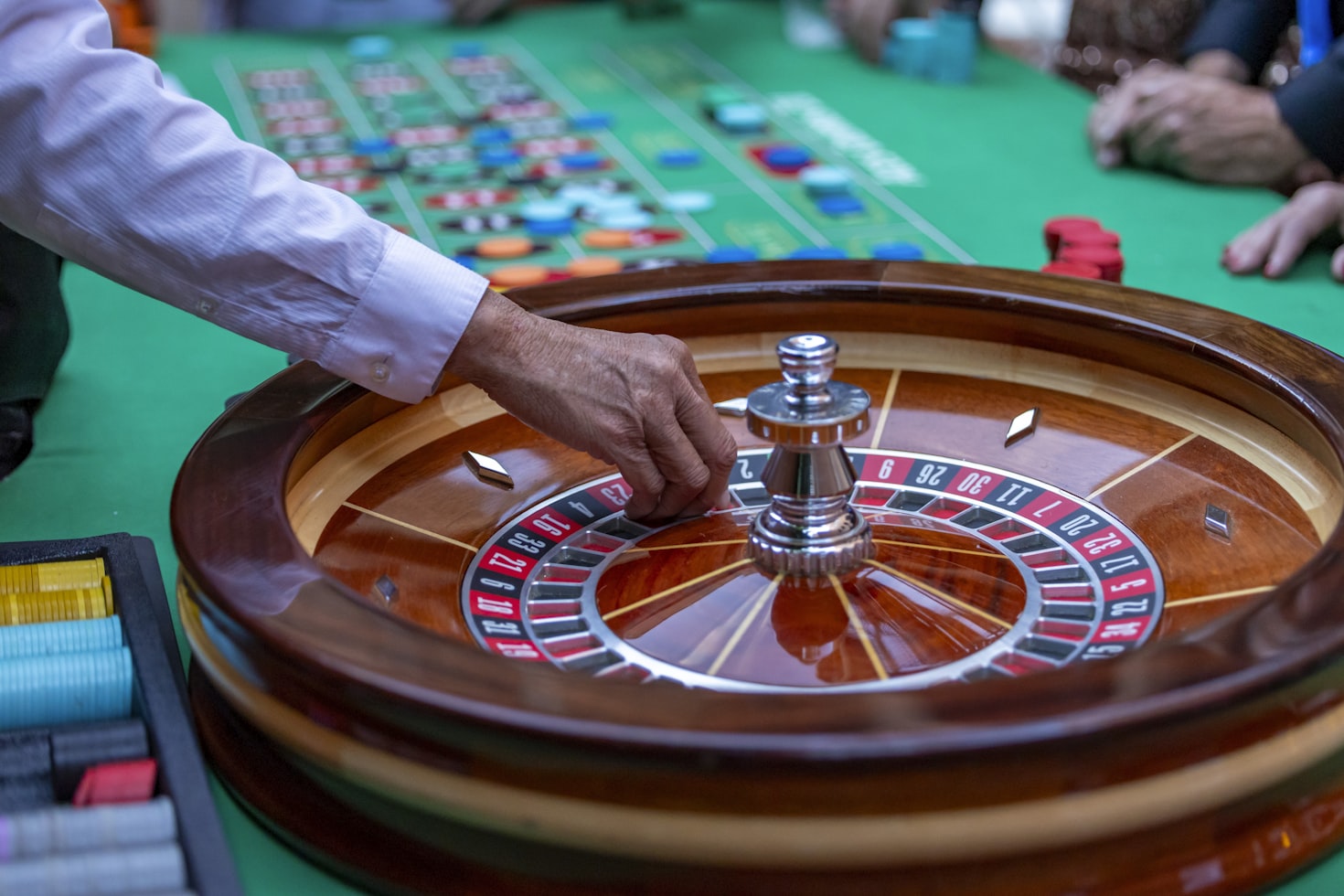
As the concept of casinos evolved, so did the games offered. The introduction of games like roulette and baccarat became hallmarks of the casino experience, attracting a diverse clientele. The architectural grandeur of these venues also played a crucial role in their allure; casinos transformed into luxurious spaces, offering not just gambling, but also fine dining and entertainment, creating an all-encompassing experience.
By the 19th century, casinos had firmly established themselves in popular culture. With the advent of the Industrial Revolution, increased leisure time and disposable income allowed more people to partake in gambling activities. This democratization of gambling set the stage for the rapid growth of casinos in the 20th century, especially in locations like Monte Carlo and Las Vegas, where the gambling industry began to flourish on a grand scale.
The Digital Revolution and Online Gambling
The late 20th and early 21st centuries witnessed a seismic shift in the gambling landscape with the advent of the internet. Online gambling emerged as a revolutionary way for individuals to engage with games of chance from the comfort of their homes. The first online casinos appeared in the mid-1990s, offering traditional casino games like blackjack and roulette, and quickly gained popularity among users seeking convenience and accessibility.
As technology advanced, so did the sophistication of online gambling platforms. The introduction of live dealer games brought the authentic casino experience directly to players’ screens, combining the thrill of in-person gaming with the ease of online access. Mobile technology further accelerated this trend, as players could gamble on-the-go, turning their smartphones into personal casinos.
Regulations surrounding online gambling have evolved in tandem with its growth. Many countries have enacted laws to ensure fair play and consumer protection, fostering a safer gambling environment. Today, online gambling is a multi-billion dollar industry, and its continued evolution reflects changing societal attitudes towards gambling as both an entertainment option and a legitimate form of leisure activity.
The Future of Gambling: Trends and Innovations
Looking ahead, the future of gambling is poised for further transformation, driven by ongoing technological innovations and evolving consumer preferences. Trends such as gamification and virtual reality are becoming increasingly popular, enhancing the gaming experience by making it more interactive and engaging. Casinos are incorporating elements of video gaming, offering players a hybrid experience that blends traditional gambling with modern gaming aesthetics.
Moreover, the rise of cryptocurrencies is beginning to influence the gambling industry. Many online casinos now accept digital currencies as a means of payment, appealing to tech-savvy users who value anonymity and security in their transactions. This trend not only signifies a shift in payment preferences but also reflects the broader acceptance of cryptocurrencies in mainstream financial practices.
As gambling continues to adapt to societal changes and technological advancements, we can expect a more inclusive and diverse industry. With an increasing focus on responsible gambling and the use of AI to promote safer gaming environments, the future of gambling promises to be dynamic and responsive to the needs of modern society.
Conclusion: The Evolution of Gambling
The historical evolution of gambling illustrates a fascinating journey from ancient rituals to the highly regulated modern-day casino experience. Throughout the ages, gambling has mirrored societal changes and technological advancements, adapting to meet the desires and needs of players. Today’s gaming landscape reflects a rich tapestry woven from historical practices, cultural significance, and modern innovation.
As we explore the current and future states of gambling, it is important to acknowledge the lessons learned from the past. Understanding the historical context not only enriches our appreciation of the games we enjoy but also enhances our understanding of the industry’s potential for growth and evolution. The journey of gambling is far from over, and its future promises to be just as intriguing as its past.